
Detoxification State Fixation (DSF)
Detoxification state fixation (DSF) is a conceptual framework for understanding persistence in progressive metabolic liver disease. It proposes that persistent hepatic de novo lipogenesis (DNL) is not adequately explained by insulin resistance or nutrient-driven pathway activation alone, but may reflect failed resolution of an originally adaptive hepatic detoxification-lipogenic state.
The first DSF paper introduces the conceptual framework: fixation of a hepatic detoxification state as a disease-persistence mechanism. The second paper develops the molecular anchoring layer of this model and proposes AKR1B10, SPTLC3, and SREBP1a as candidate molecular anchors within an output-selective PXR-state disequilibrium.
Together, these papers frame progressive metabolic liver disease not simply as continued pathway activation, but as loss of reversibility: protection becomes pathology only when hepatic rescue-and-repair mode fails to close.
Read the papers
Detoxification State Fixation in Progressive Metabolic Liver Disease: A Conceptual Framework
https://doi.org/10.5281/zenodo.19862305
Molecular Anchors of Hepatic Detoxification State Fixation: Output-selective PXR-state disequilibrium within a disease-shaped ligand ecology
https://doi.org/10.5281/zenodo.20488390
Part 1
Detoxification State Fixation in Progressive Metabolic Liver Disease
A Conceptual Framework
Andreas Bitter
Independent Researcher
Version 1.0 – April 2026
Abstract
Persistent hepatic de novo lipogenesis in progressive metabolic liver disease is not adequately explained by insulin resistance alone. We propose that sustained lipogenesis reflects fixation of an adaptive hepatic detoxification state that no longer resolves in an orderly manner. Chronic co-prioritization of lipogenesis and detoxification imposes redox burden, promotes oxidative stress, and supports inflammatory progression. This framework reframes disease persistence as failed state resolution and identifies restoration of reversibility as a testable therapeutic objective.
Persistent lipogenesis reveals a problem of failed resolution
Persistent hepatic de novo lipogenesis (DNL) is a defining feature of progressive metabolic liver disease [1]. Although insulin resistance and nutrient excess contribute to lipogenic activation, they do not adequately explain sustained DNL in the fasting state, its weak coupling to feeding–fasting transitions, or the incomplete reversibility that often accompanies advanced disease [1,2].
These observations expose a conceptual gap. Persistent lipogenesis is usually described as continued pathway activation, yet that description remains mechanistically shallow. It does not explain why a program that should recede as metabolic conditions change remains active despite fluctuating substrate availability, blunted classical signaling, and substantial variation in overall metabolic context [1].
This gap is not trivial. A purely driver-centered account can explain why lipogenesis is induced, but it does not fully explain why it persists. The decisive pathogenic shift may therefore lie not simply in activation, but in failed resolution. Persistent DNL is more coherently understood as the visible metabolic expression of a hepatocellular state that no longer disengages appropriately once adaptive demand should have subsided.
In this view, the problem is not only that lipogenesis turns on under stress, but that a program designed to contract becomes increasingly difficult to switch off. Disease persistence is thus understood less as continuous stimulation than as loss of the capacity for orderly exit.
Lipogenesis as part of an adaptive hepatic detoxification program
Hepatocytes occupy a singular position at the interface of nutrient handling, endogenous metabolic stress, and exposure to lipophilic compounds. In that setting, induction of lipogenesis under stress is not inherently paradoxical. It can be physiologically coherent.
Transient triglyceride accumulation accompanies acute hepatic injury and regeneration, indicating that lipogenesis can serve adaptive rather than exclusively pathological functions [3,4]. In such settings, lipid synthesis and storage are not merely overflow pathways, but part of a broader protective order that expands buffering capacity, enables membrane remodeling, and stabilizes the cell during periods of heightened metabolic and chemical demand [3,4].
This adaptive logic is especially plausible in regenerative contexts. Following injury, hepatocytes must maintain membrane synthesis, restore intracellular organization, and tolerate fluctuating lipophilic stress while preserving viability. Under such conditions, transient lipogenesis is best understood not as accidental excess, but as part of a coordinated response that supports cellular recovery [3,4]. The pathological problem therefore lies not in the existence of such a program, but in its persistence beyond the context in which it is useful.
Detoxification programs coordinated by ligand-responsive nuclear receptors are tightly interwoven with lipid metabolic networks. When coupled to lipogenesis, these programs facilitate sequestration of lipophilic intermediates, support remodeling at endoplasmic reticulum interfaces, and help preserve intracellular organization under stress. Under physiological conditions, this configuration is transient and reversible. As stress recedes, detoxification signaling contracts and lipogenesis returns toward baseline.
Pathology begins where that return fails.
From adaptation to fixation
We propose that progressive metabolic liver disease is marked by fixation of an adaptive hepatic detoxification state. In this view, persistent lipogenesis does not primarily reflect excessive drive through a single metabolic pathway, but stabilization of a stress-adaptive configuration that has lost the capacity for timely disengagement.
This distinction is fundamental. Chronic activation implies continued stimulation. Fixation implies that, once established, the state increasingly sustains itself and becomes progressively resistant to exit. The central question is therefore no longer only why lipogenesis turns on, but why the liver no longer turns it off.
Within this framework, steatosis is not the initiating lesion but the visible expression of a persistent cellular order that has lost regulatory reversibility. The pathogenic transition is thus relocated from isolated pathway overactivation to failure of resolution.
This framework does not displace established processes such as mitochondrial stress, ER dysfunction, inflammation, or fibrogenesis; rather, it provides a state-based logic through which these processes may become progressively linked, prolonged, and, in part, recruited into the maintenance of a disease state that no longer resolves [5]. In this sense, processes often treated as downstream consequences may also help stabilize persistence once disease is established.
The value of this shift is not merely semantic. It changes what counts as the core problem. If persistence reflects state fixation, then disease progression is driven not only by the magnitude of the original insult, but by the increasing inability of the system to recover reversibility once a stress-adaptive configuration has formed.
Human susceptibility to persistence
Interpretation of persistent DNL has often remained shaped by rodent-centered paradigms in which lipogenic transcription is tightly embedded within control loops governed by nutrients and insulin [1,2]. The human liver may be less tightly constrained. Differences in transcriptional potency, isoform balance, and network embedding may permit substantial lipogenic output even when classical metabolic signaling is blunted [6,7].
More broadly, the human liver may harbor a more permissive basal lipogenic architecture than rodent-centered paradigms imply, with differences in SREBP1 isoform contribution and transactivation potency allowing constitutive SREBP1 activity to contribute materially to hepatic lipogenic tone [6,7]. Within a state-based framework, such features could increase susceptibility to persistence once detoxification-linked lipogenesis becomes chronically stabilized.
Species differences in the integration of metabolic and detoxification cues may therefore help explain why persistent lipogenesis in human disease is more plausibly interpreted as state maintenance than as simple nutrient-driven dysregulation [6]. More broadly, they suggest that the human liver may be especially vulnerable to disorders of failed disengagement, even when the initiating signals are heterogeneous or fluctuate over time.
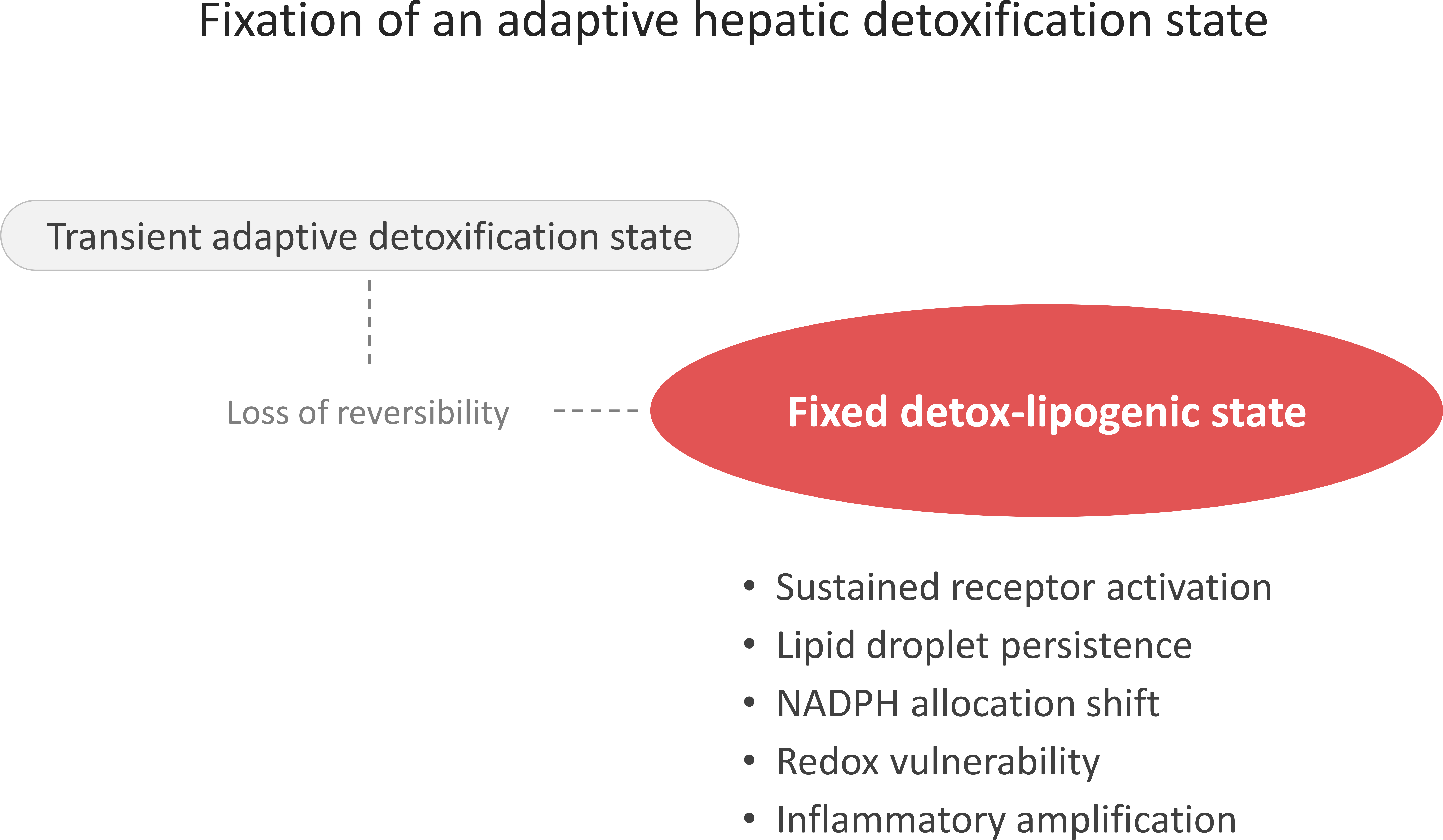 Figure 1 | Fixation of an adaptive hepatic detoxification state
Figure 1 | Fixation of an adaptive hepatic detoxification state
This Key Figure conceptualizes the transition from a physiological, transient hepatic detoxification state to a chronically stabilized detox-lipogenic state in progressive metabolic liver disease. Under normal conditions, hepatocytes can engage an adaptive detoxification-linked program in response to lipophilic or metabolic stress. In this context, lipogenesis supports intracellular buffering, membrane remodeling, and preservation of cellular organization, and the state resolves once the stressor subsides. Disease emerges when this adaptive configuration loses reversibility and becomes fixed.
The stabilized state is characterized by sustained receptor signaling, persistence of lipid droplets, and a shift in redox allocation toward detoxification and de novo lipogenesis. Chronic co-prioritization of these processes creates redox vulnerability, progressively constrains antioxidant buffering, and promotes oxidative stress and inflammatory amplification. The fixed detox-lipogenic state is depicted as a stabilized cellular configuration rather than transient pathway activation, emphasizing that disease persistence reflects failed state resolution rather than continued stimulation alone.
Within this framework, established processes such as mitochondrial stress, endoplasmic reticulum dysfunction, and fibrogenesis are not displaced, but understood as progressively linked and prolonged features of a disease state that has lost the capacity for orderly exit.
Intracellular maintenance loops
Once established, a fixed detoxification state may become partially self-maintaining through intracellular reinforcement loops. Under these conditions, weak but chronic lipophilic or metabolic inputs may be sufficient to keep the state in motion.
Lipid droplets are not inert fat depots, but dynamic regulatory compartments [8,9]. By prolonging intracellular exposure to lipophilic metabolites and signaling ligands, they favor iterative interaction with transcriptional and detoxification machinery [8,9]. In parallel, remodeling of membrane lipid composition and sphingolipid balance may alter receptor activation thresholds and reinforce stress-adaptive signaling [10].
Persistence is therefore not simply the residual echo of an earlier insult. It may be actively maintained by intracellular conditions that lower the threshold for continued state occupancy. Once such reinforcement loops are established, the system no longer depends on the full strength of the original trigger. Maintenance becomes easier than exit. A transient adaptive response is thereby converted into a stable hepatocellular condition.
This view also helps explain why chronic low-level lipophilic exposures—metabolic, environmental, or endogenous—may exert disproportionate effects once disease is established [11]. Their role may lie less in initiation than in preserving intracellular conditions that favor continued state maintenance.
Redox allocation drives progression
The central vulnerability of detoxification state fixation lies in redox economy. Both DNL and detoxification reactions impose substantial demand on cytosolic NADPH [12,13]. In the short term, this burden can be buffered. In the chronic state, it becomes structurally consequential.
As lipogenesis and detoxification are co-prioritized over time, competition for reducing equivalents intensifies. Antioxidant systems become progressively constrained, and the system shifts from compensated adaptation to redox fragility [14,15]. What initially functioned as a stress-compatible adaptive arrangement is transformed into a metabolically costly and increasingly brittle state.
In this framework, progression from steatosis to steatohepatitis is driven less by triglyceride burden itself than by chronic pressure on reducing-equivalent allocation [14,15]. Oxidative stress is therefore understood not as the primary event, nor simply as a direct consequence of fat storage, but as the downstream expression of a liver that remains locked in a reductively demanding adaptive program.
This shift in emphasis is important. The decisive burden may lie not in lipid accumulation alone, but in the inability to exit a state in which lipogenesis and detoxification continue to compete with antioxidant defense for the same redox resources. Once this competition becomes chronic, mitochondrial stress, inflammatory amplification, and qualitative disease progression become more intelligible as consequences of a fixed and increasingly fragile state [14,15].
Therapeutic implications
If progressive metabolic liver disease reflects fixation of a detoxification state, therapeutic strategy must change accordingly. Suppressing lipogenesis alone is unlikely to resolve a state whose persistence depends on broader intracellular maintenance logic [16]. Likewise, reducing triglyceride burden without restoring reversibility may improve steatosis while leaving the core disease program intact [17].
This framework therefore argues for a different priority: not simple suppression, but release. Therapeutic success should be judged by the capacity to destabilize maintenance loops, restore exit from the fixed state, and recover metabolic flexibility.
That change in logic has practical consequences. A therapy may improve visible steatosis without resolving the underlying disease state, whereas interventions that increase the probability of exit could have outsized effects even without complete normalization of lipid burden [16,17]. Interventions targeting lipid droplet persistence, intracellular ligand retention, maladaptive membrane remodeling, or chronic redox competition may therefore prove more decisive than approaches aimed solely at lowering hepatic lipid content [8,16].
The key question is not only whether hepatic fat can be reduced, but whether the liver can be made capable of disengagement again.
Concluding perspective
Persistent hepatic DNL in progressive metabolic liver disease is more coherently understood as fixation of an adaptive hepatic detoxification state than as dysregulation of a nutrient-driven pathway alone. This framework integrates metabolic, environmental, and stress-related inputs into a single organizing principle and identifies the central pathogenic transition as failure of resolution.
The model generates clear predictions. Disease severity should track more closely with indices of redox allocation and adaptive inflexibility than with triglyceride burden alone. Destabilization of intracellular maintenance loops should restore the probability of exit. Chronic low-level lipophilic inputs should exert their strongest influence during disease maintenance rather than at initiation.
More broadly, this perspective reassigns causal weight: from the mere presence of hepatic lipid to the persistence of a hepatocellular state that no longer resolves. Progressive metabolic liver disease is thereby reframed not simply as excess, but as entrapment.
References
- Jones, J. G. Some paradoxes and unresolved aspects of hepatic de novo lipogenesis. npj Metabolic Health and Disease 2, 18 (2024). https://doi.org/10.1038/s44324-024-00020-7
- Hutchison, A. L. et al. Endocrine aspects of metabolic dysfunction-associated steatotic liver disease (MASLD): Beyond insulin resistance. J. Hepatol. 79, 1524–1541 (2023). https://doi.org/10.1016/j.jhep.2023.08.030
- Duan, L. et al. Lipid metabolism orchestrates liver regeneration: an integrated metabolic network. J. Transl. Med. 23, 1115 (2025). https://doi.org/10.1186/s12967-025-07232-5
- Rudnick, D. A. and Davidson, N. O. Functional relationships between lipid metabolism and liver regeneration. Int. J. Hepatol. 2012, 549241 (2012). https://doi.org/10.1155/2012/549241
- Stefan, N. et al. Metabolic dysfunction-associated steatotic liver disease: heterogeneous pathomechanisms and effectiveness of metabolism-based treatment. Lancet Diabetes Endocrinol. 13, 134–148 (2025). https://doi.org/10.1016/S2213-8587(24)00318-8
- Bitter, A. et al. Human sterol regulatory element-binding protein 1a contributes significantly to hepatic lipogenic gene expression. Cell Physiol. Biochem. 35, 803–815 (2015). https://doi.org/10.1159/000369739
- Amemiya-Kudo, M. et al. Transcriptional activities of nuclear SREBP-1a, -1c, and -2 to different target promoters of lipogenic and cholesterogenic genes. J. Lipid Res. 43, 1220–1235 (2002). https://doi.org/10.1194/jlr.M100417-JLR200
- Olzmann, J. A. and Carvalho, P. Dynamics and functions of lipid droplets. Nat. Rev. Mol. Cell Biol. 20, 137–155 (2019). https://doi.org/10.1038/s41580-018-0085-z
- Walther, T. C. and Farese, R. V. Jr. Lipid droplets and cellular lipid metabolism. Annu. Rev. Biochem. 81, 687–714 (2012). https://doi.org/10.1146/annurev-biochem-061009-102430
- Breslow, D. K. Sphingolipid homeostasis in the endoplasmic reticulum and beyond. Cold Spring Harb. Perspect. Biol. 5, a013326 (2013). https://doi.org/10.1101/cshperspect.a013326
- Beier, J. I. et al. Environmental pollutants, occupational exposures, and liver disease. Semin. Liver Dis. 45, 148–166 (2025). https://doi.org/10.1055/a-2540-2861
- Jamerson, L. E. and Bradshaw, P. C. The roles of white adipose tissue and liver NADPH in dietary restriction-induced longevity. Antioxidants (Basel) 13, 820 (2024). https://doi.org/10.3390/antiox13070820
- Riddick, D. S. et al. NADPH-cytochrome P450 oxidoreductase: roles in physiology, pharmacology, and toxicology. Drug Metab. Dispos. 41, 12–23 (2013). https://doi.org/10.1124/dmd.112.048991
- Chen, Z., Tian, R., She, Z., Cai, J. and Li, H. Role of oxidative stress in the pathogenesis of nonalcoholic fatty liver disease. Free Radic. Biol. Med. 152, 116–141 (2020). https://doi.org/10.1016/j.freeradbiomed.2020.02.025
- Allameh, A., Niayesh-Mehr, R., Aliarab, A., Sebastiani, G. and Pantopoulos, K. Oxidative stress in liver pathophysiology and disease. Antioxidants (Basel) 12, 1653 (2023). https://doi.org/10.3390/antiox12091653
- Esler, W. P. and Cohen, D. E. Pharmacologic inhibition of lipogenesis for the treatment of NAFLD. J. Hepatol. 80, 362–377 (2024). https://doi.org/10.1016/j.jhep.2023.10.042
- Lambert, J. E., Ramos-Roman, M. A., Valdez, M. J., Browning, J. D., Rogers, T. and Parks, E. J. Weight loss in MASLD restores the balance of liver fatty acid sources. J. Clin. Invest. 135, e174233 (2025). https://doi.org/10.1172/JCI174233
Part 2
Molecular Anchors of Hepatic Detoxification State Fixation
Output-selective PXR-state disequilibrium within a disease-shaped ligand ecology
Andreas Bitter
Independent Researcher
Version 1.0 – June 2026
Abstract
Persistent hepatic de novo lipogenesis (DNL) in progressive metabolic liver disease cannot be fully explained as continued nutrient-driven pathway activation. The concept of detoxification state fixation (DSF) proposes that persistence reflects failed resolution of an originally adaptive detoxification–lipogenic hepatic state. The unresolved mechanistic question is how such a state becomes molecularly stabilized.
This article proposes that DSF may arise within a disease-shaped ligand ecology, in which gut-derived microbial amphiphilic lipid signals, injury-associated retinoid flux, and lipophilic stress mediators converge on a ligand-shaped pregnane X receptor (PXR) interaction state. In this framework, PXR is not treated merely as a promoter-bound xenobiotic receptor. Rather, ligand exposure, receptor abundance, inflammatory crosstalk, co-regulator recruitment, post-translational modification, and protein–protein interactions may reshape PXR-dependent transcriptional output beyond direct binding at individual target promoters.
A central feature of the model is output-selective PXR-state disequilibrium. Reduced PXR protein in steatohepatitis may attenuate high-amplitude canonical detoxification outputs, while residual ligand-responsive PXR remains sufficient to influence lipogenic transcriptional programs. This provides a route by which impaired detoxification capacity and persistent DNL may coexist.
Aldo-keto reductase family 1 member B10 (AKR1B10), serine palmitoyltransferase long-chain base subunit 3 (SPTLC3), and sterol regulatory element-binding protein 1a (SREBP1a) are proposed as molecular anchors of this fixed state. AKR1B10 links retinal–retinol interconversion, aldehyde and carbonyl detoxification, NADPH use, and ACC-associated DNL competence. SPTLC3 provides a C14-sensitive sphingolipid-remodeling node at the interface of microbial lipid pressure, membrane adaptation, and hepatic state persistence. SREBP1a represents a human-relevant lipogenic transcriptional engine capable of sustaining DNL when classical insulin-coupled models become insufficient. These modules are not considered intrinsically pathological. In a limited adaptive window, they may support protection, buffering, repair, and metabolic competence. In DSF, however, they become persistently co-maintained and mutually reinforcing.
The model does not require identification of a single endogenous PXR ligand, direct PXR regulation of every downstream gene, or direct conversion of microbial lipid A into sphingolipid products. Instead, it proposes that progressive disease involves stabilization of a ligand-shaped hepatic interaction state beyond its adaptive window in which microbial amphiphiles, retinoid-derived signals, PXR-state disequilibrium, retinoid–carbonyl–DNL coupling, sphingolipid remodeling, and NADPH allocation pressure become mutually reinforcing rather than transiently coordinated.
Persistence requires molecular anchoring
Progressive metabolic liver disease is commonly explained by the accumulation of metabolic stressors: insulin resistance, substrate excess, lipotoxicity, mitochondrial dysfunction, oxidative stress, inflammatory signaling, and fibrotic remodeling. These processes are important, but they do not fully explain why hepatic de novo lipogenesis (DNL) can remain engaged when it should normally contract as nutritional, hormonal, and redox conditions change. The unresolved problem is not activation alone, but failed resolution [1].
Detoxification state fixation (DSF) addresses this problem by interpreting persistent DNL as stabilization of an originally adaptive hepatic state. Under transient stress, co-activation of detoxification, lipid droplet expansion, lipogenic substrate handling, and redox support should be viewed as a beneficial adaptive response. It may help hepatocytes buffer lipophilic toxicants, organize endoplasmic reticulum-associated stress responses, and preserve cellular viability [2]. In this form, the detoxification-lipogenic state represents an adaptive resolution window, not pathology.
The pathological transition may not require a single overwhelming insult, nor does it require all initiating inputs to be chronic from the outset. It may arise when transient, recurrent, or partially unresolved microbial, retinoid, lipophilic, and inflammatory inputs repeatedly reopen an adaptive detoxification-lipogenic program before full resolution has occurred. In progressive disease, the protective state may therefore lose its capacity to terminate. Lipogenesis then no longer reflects only nutrient storage or insulin-driven pathway activation. It becomes part of state maintenance.
Pathology begins not with activation of the detoxification-lipogenic state, but with repeated failure to close it; the decisive transition is the emergence of self-maintaining state occupancy with impaired exit. The present article asks which molecular nodes could stabilize DSF. Pregnane X receptor (PXR), aldo-keto reductase family 1 member B10 (AKR1B10), serine palmitoyltransferase long-chain base subunit 3 (SPTLC3), and sterol regulatory element-binding protein 1a (SREBP1a) are proposed as candidate anchors. They are not presented as a linear cascade, exhaustive disease drivers, or replacements for established metabolic and inflammatory mechanisms. They are presented as a compact architecture through which lipophilic stress sensing, endogenous retinoid tone, aldehyde and carbonyl detoxification, C14-sensitive sphingolipid remodeling, human-relevant lipogenic transcription, lipid droplet persistence, and NADPH allocation may become coupled [3,4].
The injured liver may not present PXR with a single dominant endogenous ligand. Instead, it may expose PXR to a disease-shaped ligand ecology composed of microbial amphiphiles, retinoid-derived signals, lipid peroxidation products, xenobiotics, bile-acid-related metabolites, and other lipophilic stress mediators. The central proposal is that such an ecology can reshape a PXR-centered interaction state. Through indirect transcriptional crosstalk, this state may influence AKR1B10-mediated retinoid-carbonyl-DNL coupling, SPTLC3-associated membrane remodeling, and SREBP1a-dependent lipogenic persistence.
Fixation therefore does not require a single master gene, a single ligand, or direct PXR binding at every affected promoter. It requires stabilization of an interaction state that was originally adaptive but becomes pathologically persistent once orderly closure is lost.
PXR-state disequilibrium as the regulatory center
PXR is commonly introduced as a xenobiotic receptor that senses structurally diverse lipophilic compounds and induces genes involved in drug metabolism, transport, and detoxification. This canonical view is correct, but it is too narrow for the present problem. In DSF, the disease-relevant function of PXR may lie less in occupancy of individual promoters than in its capacity to reshape transcriptional interaction states [5].
Ligand binding can alter PXR conformation, co-regulator preference, nuclear receptor crosstalk, and access to shared transcriptional machinery. Receptor abundance, phosphorylation and other post-translational modifications, inflammatory signaling, oxidative stress, and partner-protein availability may further modify this output [5-7]. Altered PXR signaling can therefore influence genes and programs that are not necessarily direct PXR targets in a narrow promoter-proximal sense. This is essential for integrating SREBP1a, AKR1B10, and SPTLC3 into the model without forcing each node into a simplified PXR response element logic.
This view is reinforced by the capacity of PXR to respond non-additively to ligand mixtures. Distinct compounds can cooperate within the PXR ligand-binding environment and generate stronger transcriptional responses than individual components alone [8]. PXR may therefore respond not only to single high-affinity ligands, but to ligand ecologies. In progressive liver disease, the relevant signal may be a disease-shaped ligand ecology capable of molding PXR conformation, co-regulator recruitment, and transcriptional crosstalk.
This framework resolves an apparent paradox. PXR activation and PXR reduction can both have lipogenic consequences, but through distinct mechanisms. Ligand-activated PXR may promote lipogenic transcriptional programs, including SREBP1a-associated DNL. Conversely, reduced PXR expression or disturbed PXR tone may favor compensatory or derepressed programs involving AKR1B10, ACC-associated DNL competence, and potentially altered sphingolipid remodeling [3]. These outcomes are contradictory only if PXR is treated as a linear on/off switch. They become coherent if PXR is understood as a state-sensitive transcriptional interaction node.
The key refinement is output selectivity. Classical PXR-responsive genes and lipogenic PXR-linked programs may not require the same receptor abundance, promoter architecture, co-regulator environment, or interaction threshold. Reduced PXR protein may blunt high-amplitude canonical outputs, such as strongly PXR-dependent CYP responses, while residual ligand-responsive PXR remains sufficient to engage SREBP1a-associated lipogenic signaling [3]. This provides a mechanistic explanation for how steatohepatitis can show impaired canonical detoxification capacity and, at the same time, persistent PXR-linked lipogenic transcription.
Inflammation provides the disease context in which this disequilibrium becomes plausible. Endotoxin-associated signaling and inflammatory cytokines can reduce hepatic PXR expression and suppress classical PXR-dependent CYP regulation. Reduced CYP3A4 expression or activity in steatohepatitis is therefore not a contradiction to the present model; it may mark attenuation of the canonical detoxification arm of PXR signaling [9]. However, reduced PXR abundance or reduced CYP3A4 output should not be interpreted as disappearance of PXR relevance. NF-kappaB signaling can interfere with PXR-associated transcriptional complexes through protein-protein mechanisms, indicating that inflammation may redirect PXR output rather than merely silence it [5].
In steatohepatitis, reduced PXR protein may therefore reflect output-selective PXR-state disequilibrium: attenuation of canonical detoxification gene induction, inflammatory remodeling of PXR-associated protein interactions, and persistence of ligand-sensitive residual PXR effects on lipogenic and stress-adaptive programs. The disease-relevant unit is not PXR occupancy at individual promoters, but a ligand-shaped PXR interaction state.
The proposed transition from adaptive protection to DSF is summarized in Figure 1, which places output-selective PXR-state disequilibrium within a broader progression from an adaptive resolution window to a hepatic rescue-and-repair mode and finally to a fixed detoxification-lipogenic state.
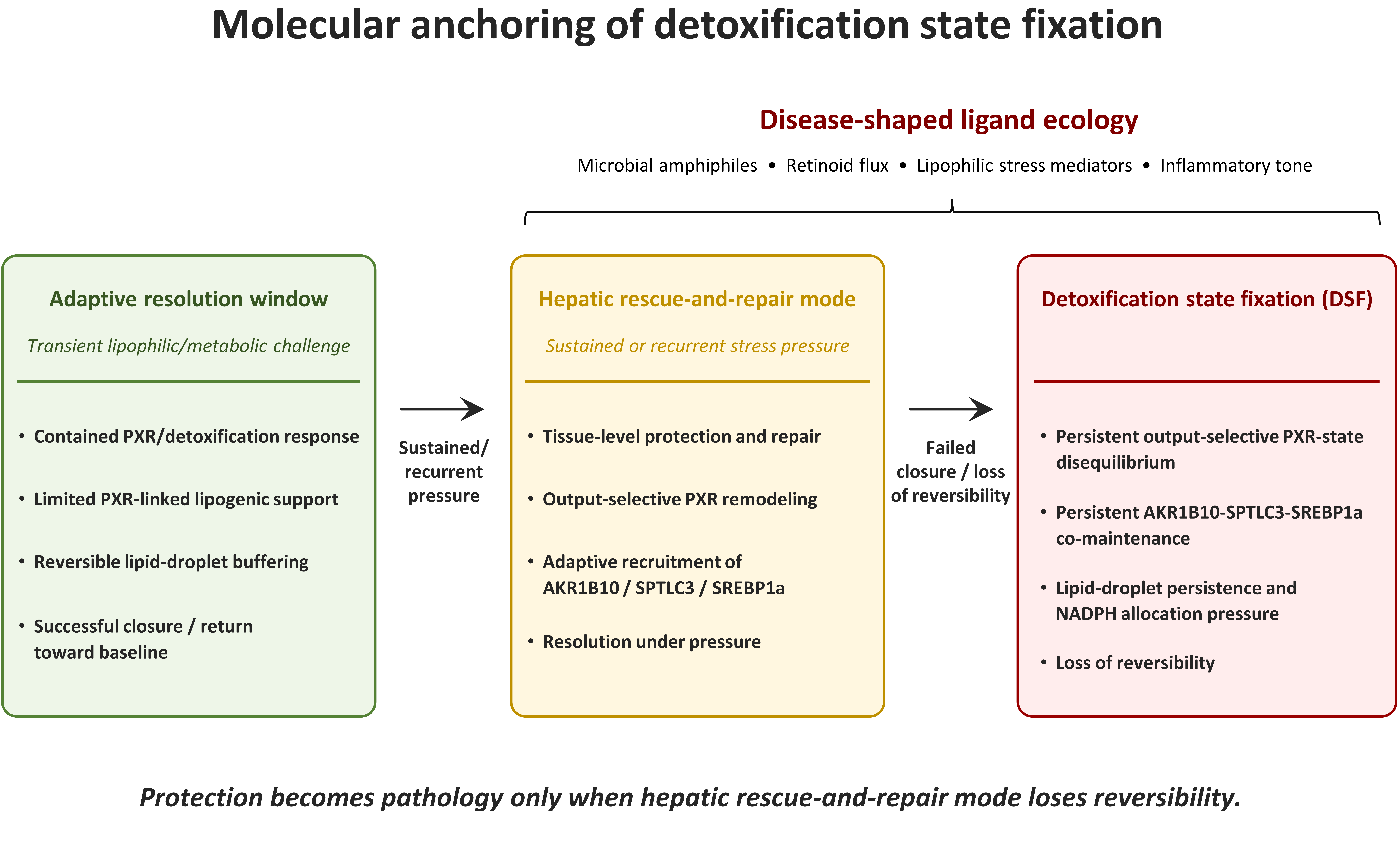 Figure 1 | Molecular anchoring of detoxification state fixation
Figure 1 | Molecular anchoring of detoxification state fixation
This Key Figure illustrates the proposed transition from a reversible adaptive detoxification-lipogenic response to detoxification state fixation (DSF). In the adaptive resolution window, transient lipophilic or metabolic challenge can induce a contained pregnane X receptor (PXR)-linked detoxification response, limited PXR-linked lipogenic support, reversible lipid-droplet buffering, and coordinated redox allocation. In this state, the response is protective, cell-autonomous, and capable of orderly closure.
Under sustained or recurrent stress pressure, or when earlier inputs remain only partially resolved, the liver may enter a hepatic rescue-and-repair mode. This state is not yet pathological and does not inevitably progress to DSF. Rather, it represents a tissue-level attempt to preserve hepatic function, repair capacity, membrane integrity, ligand handling, and redox balance under continuing adaptive demand. If stress pressure declines and regulatory closure is restored, this mode may resolve.
A disease-shaped ligand ecology, composed of microbial amphiphiles, injury-associated retinoid flux, lipophilic stress mediators, and inflammatory tone, may increase the probability that this rescue-and-repair mode is repeatedly reopened or maintained beyond its adaptive window. In this context, PXR output may become selectively remodeled, and aldo-keto reductase family 1 member B10 (AKR1B10), serine palmitoyltransferase long-chain base subunit 3 (SPTLC3), and sterol regulatory element-binding protein 1a (SREBP1a) may be adaptively recruited to support retinoid-carbonyl handling, membrane and sphingolipid remodeling, lipogenic buffering, and metabolic competence.
DSF emerges when hepatic rescue-and-repair mode fails to close and becomes partially self-maintaining. At this point, the state no longer depends fully on persistence of the original inputs. Instead, lipid-droplet persistence, output-selective PXR-state disequilibrium, AKR1B10-SPTLC3-SREBP1a co-maintenance, NADPH allocation pressure, and inflammatory amplification increasingly lower the probability of exit. The decisive transition is therefore not continued stimulation alone, but self-maintaining state occupancy with loss of reversibility.
Thus, the pathogenic event is not activation of the adaptive program itself, nor entry into rescue-and-repair mode, but stabilization of a protective configuration beyond the window in which it remains reversible. Protection becomes pathology only when hepatic rescue-and-repair mode loses reversibility.
A disease-shaped ligand ecology
If PXR-state disequilibrium is the regulatory center of the model, the next question is what disease-associated signals could shape such a state. Two inputs are particularly relevant: gut-derived microbial amphiphiles and injury-associated retinoid flux. They represent exogenous and endogenous sides of the same problem: sustained, recurrent, or incompletely resolved exposure of the injured liver to lipophilic, amphiphilic, and metabolically active signals.
The gut-liver axis is often discussed in relation to inflammation, barrier dysfunction, and endotoxemia. Within the present model, its significance is more specific. Gut-derived microbial amphiphiles may provide a sustained or recurrent lipophilic input to the liver. Lipid-A-related structures from gram-negative bacteria are particularly relevant because they combine endotoxin activity with a strongly lipid-associated chemical character [10]. Their biological significance is therefore not limited to activation of inflammatory receptors. They also belong to the broader hepatic handling space of amphiphilic, lipoprotein-associated, membrane-active, and detoxification-relevant molecules.
A sustained or recurrent low-grade flux of microbial lipid-associated signals could repeatedly engage hepatic systems responsible for lipophilic stress sensing, lipid droplet buffering, membrane remodeling, and redox allocation. Chylomicron-mediated intestinal LPS absorption and microbiota-dependent regulation of hepatic lipid and xenobiotic metabolism support the plausibility of a lipid-centered gut-liver input [11,12]. Such signals need not act as canonical PXR ligands to influence PXR-dependent state regulation. They may instead contribute to an inflammatory and amphiphilic hepatic milieu that alters PXR-associated protein interactions, co-regulator availability, and transcriptional crosstalk.
Retinoid metabolism forms the endogenous counterpart to this microbial amphiphilic input. The healthy liver stores large quantities of vitamin A derivatives, particularly in lipid droplets of hepatic stellate cells. During liver injury, stellate cell activation and tissue remodeling alter retinoid storage, release, and metabolism [13]. Retinoid flux should therefore not be viewed merely as a nutritional variable. It may constitute an endogenous injury-associated ligand environment capable of influencing hepatic nuclear receptor signaling, lipid handling, regeneration, and detoxification-state regulation.
The model does not require identification of a single defined endogenous PXR ligand. Retinol, retinal, retinoic acid derivatives, retinyl esters, carotenoid-derived compounds, and related metabolites occupy a dynamic biochemical space, and their effects on nuclear receptor signaling may be direct, indirect, metabolite-dependent, or context-dependent. Reports that retinol and carotenoid-derived vitamin A biology can activate PXR-mediated gene expression support the plausibility of this axis without reducing the model to one ligand [14]. The relevant proposal is broader: injury-associated retinoid flux may contribute to an endogenous ligand tone that shapes PXR-dependent interaction states.
Together, microbial amphiphiles and retinoid flux provide the disease-shaped ligand ecology of the model. One input is exogenous and gut-derived; the other is endogenous and injury-associated. Both converge on hepatic lipid handling, nuclear receptor tone, lipid droplet biology, inflammatory remodeling, and redox allocation. Their significance lies not in proving a single ligand mechanism, but in creating a persistent lipophilic environment in which PXR-state disequilibrium can be maintained.
Molecular anchors translate PXR-state disequilibrium into persistence
A ligand ecology becomes disease-fixing only if it is coupled to molecular nodes capable of stabilizing metabolism, membranes, redox demand, and transcriptional drive beyond the adaptive window. AKR1B10, SPTLC3, and SREBP1a provide three such anchors. Their importance does not imply that these programs are intrinsically harmful. In a transient adaptive window, they may support detoxification, buffering, repair, and metabolic competence. They become fixation anchors when transient, recurrent, or partially unresolved inputs prevent their coordinated closure and lower the probability of exit. AKR1B10 anchors retinoid-carbonyl-DNL coupling, SPTLC3 anchors C14-sensitive sphingolipid and membrane remodeling, and SREBP1a anchors human-relevant lipogenic transcription.
These nodes are included not only because of their biochemical functions, but also because they have been linked to steatohepatitis and NAFLD/NASH progression. AKR1B10 protein expression is increased in human steatohepatitis, and experimental work has linked AKR1B10/AKR1B8 to NASH pathogenesis in mice [15,16]. AKR1B10 was also connected to PXR silencing, ACC-associated DNL, and steatotic lipid accumulation in human hepatic cells [3]. For SPTLC3, early human evidence for increased expression in NASH was reported before later disease-focused studies examined SPTLC3 in experimental and clinical NAFLD/NASH-related contexts [17,18]. These observations support the use of AKR1B10 and SPTLC3 as candidate fixation anchors rather than as isolated pathway markers.
AKR1B10 occupies a strategic position because it links retinoid handling, aldehyde and carbonyl detoxification, and lipogenic competence. Through retinal-retinol interconversion, it can influence the retinoid-derived ligand environment. Through aldehyde and carbonyl detoxification, it participates in the handling of reactive lipid peroxidation products and electrophilic stress. Through NADPH use and its association with ACC-dependent lipogenic activity, it links detoxification and redox metabolism directly to fatty acid synthesis [19,20]. AKR1B10 is therefore not merely a stress marker; it may act as an effector of state stabilization.
This is particularly relevant for PXR-state disequilibrium. If AKR1B10 increases under conditions of altered PXR signaling, its expression may reflect not simply PXR activation or PXR loss, but disruption of a broader PXR-centered regulatory balance [3]. In such a situation, AKR1B10 could preserve lipogenic competence even when classical regulatory pathways are impaired or reconfigured. The result would be a state in which retinoid flux, carbonyl detoxification, NADPH consumption, and ACC-associated DNL become functionally coupled.
SPTLC3 provides a complementary membrane-state anchor. Whereas AKR1B10 connects retinoid, carbonyl, NADPH, and DNL biology, SPTLC3 connects lipid substrate specificity, sphingolipid remodeling, membrane architecture, and gut-derived lipid pressure. Its relevance lies not in isolated gene expression, but in its position at the interface of C14-sensitive lipid metabolism and hepatic membrane adaptation. In this sense, SPTLC3 is introduced not merely as a pathological marker, but as an adaptive membrane-state module that may become harmful when stabilized beyond the window in which it remains reversible.
The C14/myristate logic of lipid-A-related structures provides a conceptual bridge to SPTLC3. SPTLC3-containing serine palmitoyltransferase complexes can shift sphingoid base profiles and enable formation of shorter-chain sphingolipid species [21]. Lipid-A-related structures and other gram-negative bacterial lipid products are rich in amphiphilic, acylated, often C14-associated molecular motifs [10]. The model does not propose direct conversion of bacterial lipid A into SPTLC3 products. Instead, it proposes a shared lipid grammar: sustained or recurrent exposure to C14-containing microbial amphiphiles, altered hepatic lipid handling, and SPTLC3-associated sphingolipid remodeling may converge on membrane adaptation and state stability.
A further connection is CREB-linked signaling. SPTLC3-associated plasma membrane sphingolipid remodeling has been linked to adenylate cyclase/cAMP/CREB signaling, whereas PXR can repress CREB-dependent G6PC transcription through protein-protein interaction [22,23]. CREB-linked signaling may therefore represent a point of convergence between PXR-state disequilibrium and SPTLC3-dependent membrane adaptation. In this view, ligand-activated PXR may restrain a CREB-linked gluconeogenic/membrane-state branch under adaptive conditions, whereas PXR reduction or disequilibrium may release SPTLC3- and G6PC-associated programs. This connection is included as a mechanistic bridge, not as a separate axis: it helps explain how PXR-state disequilibrium could translate into membrane-state remodeling without distracting from the core DSF model.
SREBP1a provides the lipogenic transcriptional engine. Classical models frequently place insulin-mediated SREBP1c activation at the center of hepatic lipogenesis, but progressive disease presents a more difficult problem: DNL can remain active even when regulatory coupling to nutritional and hormonal transitions is weakened. A fixed state may therefore require lipogenic transcriptional mechanisms that extend beyond a simple insulin-SREBP1c axis. SREBP1a is not introduced here to reopen an isolated isoform debate. It is introduced because persistent human DNL requires a transcriptional explanation capable of operating within a reconfigured hepatic state.
As a potent lipogenic transcriptional regulator with particular relevance to human hepatic lipogenic gene expression, SREBP1a offers a plausible mechanism for maintaining DNL within a broader detoxification-state program [4]. PXR-state remodeling provides one route through which SREBP1a-dependent lipogenesis may be engaged. Ligand-activated or otherwise disturbed PXR signaling can influence lipogenic transcriptional networks indirectly, through protein interactions and co-regulator dynamics, rather than only through direct promoter binding. Importantly, SREBP1a induction may represent a relatively robust lipogenic PXR-linked output that does not scale in the same way as classical PXR target genes [3]. This allows reduced canonical PXR detoxification capacity and persistent SREBP1a-dependent lipogenic signaling to coexist within the same diseased liver state.
Together, these anchors translate PXR-state disequilibrium into persistence. AKR1B10 connects endogenous ligand handling to DNL competence and redox demand. SPTLC3 connects microbial lipid pressure to membrane remodeling and state stability. SREBP1a maintains the transcriptional drive required for persistent fatty acid synthesis. The result is a molecular explanation for why lipogenesis can remain active after the initiating metabolic or toxic stress should have subsided.
NADPH allocation is the redox cost of fixation
The final step is redox economy. NADPH provides the redox currency that connects detoxification, lipogenesis, retinoid and carbonyl metabolism, lipid peroxide handling, and antioxidant defense. In a transient adaptive state, simultaneous activation of these processes is not pathological; it represents a coordinated protective response. In a fixed state, however, persistent co-prioritization of NADPH-dependent processes may generate redox vulnerability.
The pathological problem is not that the liver cannot generate NADPH. The liver possesses multiple NADPH-producing systems and can increase reductive capacity under stress. The problem lies in allocation, duration, compartmental coupling, and reversibility. When CYP-dependent lipid oxidation, fatty acid synthesis, AKR1B10-mediated retinoid and carbonyl handling, lipid peroxide detoxification, and antioxidant defense remain engaged beyond the adaptive window, NADPH demand becomes part of the disease state rather than a temporary adaptive cost [19,24,25].
Reduced CYP3A4 expression in steatohepatitis does not weaken this redox logic. It specifies it. CYP3A4 marks a canonical PXR-dependent xenobiotic-detoxification output that may decline under inflammatory pressure [9]. However, the CYP system is not identical with CYP3A4, and NADPH-linked microsomal oxidative stress in steatohepatitis can involve other CYP routes, including CYP2E1- and CYP4A-associated lipid peroxidation and fatty-acid omega-oxidation [24]. Thus, loss of canonical CYP3A4 activity may coexist with continued or redistributed NADPH-dependent oxidative and lipid-metabolic pressure.
The model therefore does not require uniform activation of all NADPH-consuming pathways. It requires disturbed allocation among competing NADPH-dependent processes. Persistent lipogenesis maintains substrate flux and reducing-equivalent demand. AKR1B10-linked retinoid and carbonyl handling consumes NADPH while supporting DNL competence. Antioxidant systems require NADPH to counter oxidative stress. CYP2E1/CYP4A-associated lipid oxidation, inflammatory oxidase activity, and lipid peroxide handling may further reshape the redox economy. The state becomes increasingly defined by redistribution of reducing power rather than by simple global NADPH deficiency or global CYP induction.
A related testable implication is that DSF may involve disturbed glucose-6-phosphate and fasting-energy routing. In the adaptive resolution window, ligand-responsive PXR could restrain G6PC/PCK1-mediated glucose output, GLUT2-mediated glucose exchange, and CPT1A/HMGCS2-linked fatty acid oxidation and ketogenic branches [22,26,29,30], while SREBP1a-dependent G6PD induction supports pentose phosphate pathway NADPH production [27,28]. During hepatic rescue-and-repair mode, altered PXR abundance, post-translational modification, inflammatory crosstalk, and tissue-level adaptive demand may relax or redistribute this restraint, allowing glucose, G6P, fatty acid oxidation, ketogenesis, and NADPH-generating routes to be reorganized across the hepatic state, including context- or zone-dependent re-expression or upregulation of these programs. In DSF, however, the same routing may become persistently misallocated, linking glucose exchange, pentose phosphate pathway NADPH generation, DNL, fasting-energy control, and antioxidant defense to self-maintaining state occupancy. In this sense, ligand-responsive PXR signaling may overlap functionally with selected insulin-like hepatic outputs while remaining mechanistically distinct from classical insulin signaling [22,26-30].
This gives DSF systemic force: once rescue-and-repair mode becomes fixed, the liver may no longer merely reflect the insulin-resistant milieu to which it is usually attributed, but help maintain it through misaligned glucose/G6P routing, lipogenic flux, NADPH allocation, and inflammatory tone.
NADPH allocation pressure is therefore not a peripheral feature of the model. It is the redox cost of fixation. It explains how a protective detoxification-lipogenic response can become metabolically expensive, oxidative, inflammatory, and difficult to reverse.
A self-maintaining model of DSF
The proposed model can be summarized as a self-maintaining loop in which maintenance progressively becomes easier than exit. Gut-derived microbial amphiphiles provide sustained or recurrent exogenous lipophilic pressure. Injury-associated retinoid flux provides endogenous ligand tone. Lipophilic stress mediators expand this disease-shaped ligand ecology. PXR integrates these signals not only through canonical regulation of detoxification genes, but through a ligand-shaped protein interaction state capable of reshaping broader transcriptional programs.
Within this state, PXR output becomes selective and disequilibrated. Canonical detoxification outputs may decline under inflammatory pressure, whereas residual ligand-responsive PXR effects on lipogenic transcription may persist. AKR1B10 stabilizes retinoid-carbonyl-DNL coupling. SPTLC3 remodels the C14-sensitive sphingolipid and membrane layer. SREBP1a maintains human-relevant lipogenic transcription. Lipid droplets provide structural buffering and ligand storage capacity, while NADPH allocation integrates detoxification, lipogenesis, retinoid and carbonyl handling, lipid peroxide defense, and antioxidant systems into a shared redox economy.
This self-maintaining logic may also extend beyond the liver. By altering inflammatory tone, bile acid and lipid handling, and enterohepatic metabolite flux, a fixed hepatic state may reshape the intestinal environment and microbiota, thereby reinforcing the microbial and amphiphilic inputs that contribute to DSF maintenance.
The result is not isolated activation of DNL, detoxification, or inflammation. It is stabilization of a detoxification-lipogenic configuration that repeatedly fails to close and eventually loses its capacity for resolution. The pathogenic feature is therefore not the adaptive program itself, but its persistent co-maintenance beyond the window in which it remains protective.
This model deliberately avoids a monocausal explanation. It does not require lipid-A-derived fragments to act as canonical PXR ligands, retinol alone to be defined as the endogenous PXR ligand, or PXR to bind every affected gene directly. Instead, it proposes that progressive metabolic liver disease may involve stabilization of a ligand-shaped hepatic interaction state beyond its adaptive window in which microbial amphiphiles, endogenous retinoid flux, PXR-state disequilibrium, AKR1B10, SPTLC3, SREBP1a, lipid droplets, and NADPH allocation become mutually reinforcing.
The therapeutic implication differs accordingly from simple pathway inhibition. If progressive disease reflects DSF, the goal is not merely to suppress lipogenesis, inflammation, or detoxification in isolation. The deeper objective is restoration of reversibility: enabling the liver to exit a state that was originally adaptive, but has become pathologically stabilized.
References
- Lambert, J. E., Ramos-Roman, M. A., Browning, J. D. and Parks, E. J. Increased de novo lipogenesis is a distinct characteristic of individuals with nonalcoholic fatty liver disease. Gastroenterology 146, 726-735 (2014). https://doi.org/10.1053/j.gastro.2013.11.049
- Olzmann, J. A. and Carvalho, P. Dynamics and functions of lipid droplets. Nat. Rev. Mol. Cell Biol. 20, 137-155 (2019). https://doi.org/10.1038/s41580-018-0085-z
- Bitter, A. et al. Pregnane X receptor activation and silencing promote steatosis of human hepatic cells by distinct lipogenic mechanisms. Arch. Toxicol. 89, 2089-2103 (2015). https://doi.org/10.1007/s00204-014-1348-x
- Bitter, A. et al. Human sterol regulatory element-binding protein 1a contributes significantly to hepatic lipogenic gene expression. Cell. Physiol. Biochem. 35, 803-815 (2015). https://doi.org/10.1159/000369739
- Pavek, P. Pregnane X receptor (PXR)-mediated gene repression and cross-talk of PXR with other nuclear receptors via coactivator interactions. Front. Pharmacol. 7, 456 (2016). https://doi.org/10.3389/fphar.2016.00456
- Staudinger, J. L., Xu, C., Biswas, A. and Mani, S. Post-translational modification of pregnane X receptor. Pharmacol. Res. 64, 4-10 (2011). https://doi.org/10.1016/j.phrs.2011.02.011
- Qin, M., Xin, Y., Bian, Y., Yang, X., Xi, T. and Xiong, J. Phosphorylation-induced ubiquitination and degradation of PXR through CDK2-TRIM21 axis. Cells 11, 264 (2022). https://doi.org/10.3390/cells11020264
- Delfosse, V. et al. Synergistic activation of human pregnane X receptor by binary cocktails of pharmaceutical and environmental compounds. Nat. Commun. 6, 8089 (2015). https://doi.org/10.1038/ncomms9089
- Woolsey, S. J., Mansell, S. E., Kim, R. B., Tirona, R. G. and Beaton, M. D. CYP3A activity and expression in nonalcoholic fatty liver disease. Drug Metab. Dispos. 43, 1484-1490 (2015). https://doi.org/10.1124/dmd.115.065979
- Raetz, C. R. H. and Whitfield, C. Lipopolysaccharide endotoxins. Annu. Rev. Biochem. 71, 635-700 (2002). https://doi.org/10.1146/annurev.biochem.71.110601.135414
- Ghoshal, S., Witta, J., Zhong, J., de Villiers, W. and Eckhardt, E. Chylomicrons promote intestinal absorption of lipopolysaccharides. J. Lipid Res. 50, 90-97 (2009). https://doi.org/10.1194/jlr.M800156-JLR200
- Barretto, S. A. et al. The pregnane X receptor drives sexually dimorphic hepatic changes in lipid and xenobiotic metabolism in response to gut microbiota in mice. Microbiome 9, 93 (2021). https://doi.org/10.1186/s40168-021-01050-9
- Haaker, M. W., Vaandrager, A. B. and Helms, J. B. Retinoids in health and disease: a role for hepatic stellate cells in affecting retinoid levels. Biochim. Biophys. Acta Mol. Cell Biol. Lipids 1865, 158674 (2020). https://doi.org/10.1016/j.bbalip.2020.158674
- Ruehl, R. et al. Carotenoids and their metabolites are naturally occurring activators of gene expression via the pregnane X receptor. Eur. J. Nutr. 43, 336-343 (2004). https://doi.org/10.1007/s00394-004-0475-1
- Starmann, J. et al. Gene expression profiling unravels cancer-related hepatic molecular signatures in steatohepatitis but not in steatosis. PLoS ONE 7, e46584 (2012). https://doi.org/10.1371/journal.pone.0046584
- Rajak, S. et al. Role of AKR1B10 and AKR1B8 in the pathogenesis of non-alcoholic steatohepatitis (NASH) in mouse. Biochim. Biophys. Acta Mol. Basis Dis. 1868, 166319 (2022). https://doi.org/10.1016/j.bbadis.2021.166319
- Bitter, A. Early human evidence for increased SPTLC3 expression in NAFLD/NASH. Zenodo (2026). https://doi.org/10.5281/zenodo.18214333
- Yoshimine, Y. et al. Hepatic expression of the Sptlc3 subunit of serine palmitoyltransferase is associated with the development of hepatocellular carcinoma in a mouse model of nonalcoholic steatohepatitis. Oncol. Rep. 33, 1657-1666 (2015). https://doi.org/10.3892/or.2015.3745
- Ma, J. et al. Aldo-keto reductase family 1 B10 affects fatty acid synthesis by regulating the stability of acetyl-CoA carboxylase-α in breast cancer cells. J. Biol. Chem. 283, 3418-3423 (2008). https://doi.org/10.1074/jbc.M707650200
- Endo, S., Matsunaga, T. and Nishinaka, T. The role of AKR1B10 in physiology and pathophysiology. Metabolites 11, 332 (2021). https://doi.org/10.3390/metabo11060332
- Hornemann, T. et al. The SPTLC3 subunit of serine palmitoyltransferase generates short chain sphingoid bases. J. Biol. Chem. 284, 26322-26330 (2009). https://doi.org/10.1074/jbc.M109.023192
- Kodama, S., Moore, R., Yamamoto, Y. and Negishi, M. Human nuclear pregnane X receptor cross-talk with CREB to repress cAMP activation of the glucose-6-phosphatase gene. Biochem. J. 407, 373-381 (2007). https://doi.org/10.1042/BJ20070481
- Montefusco, D. et al. SPTLC3 regulates plasma membrane sphingolipid composition to facilitate hepatic gluconeogenesis. Cell Rep. 43, 115054 (2024). https://doi.org/10.1016/j.celrep.2024.115054
- Leclercq, I. A. et al. CYP2E1 and CYP4A as microsomal catalysts of lipid peroxides in murine nonalcoholic steatohepatitis. J. Clin. Invest. 105, 1067-1075 (2000). https://doi.org/10.1172/JCI8814
- Riddick, D. S. et al. NADPH-cytochrome P450 oxidoreductase: roles in physiology, pharmacology, and toxicology. Drug Metab. Dispos. 41, 12-23 (2013). https://doi.org/10.1124/dmd.112.048991
- Liu, P. et al. PXR activation impairs hepatic glucose metabolism partly via inhibiting the HNF4α-GLUT2 pathway. Acta Pharm. Sin. B 12, 2391-2405 (2022). https://doi.org/10.1016/j.apsb.2021.09.031
- Amemiya-Kudo, M. et al. Transcriptional activities of nuclear SREBP-1a, -1c, and -2 to different target promoters of lipogenic and cholesterogenic genes. J. Lipid Res. 43, 1220-1235 (2002). https://doi.org/10.1194/jlr.M100417-JLR200
- Shimomura, I. et al. Nuclear sterol regulatory element-binding proteins activate genes responsible for the entire program of unsaturated fatty acid biosynthesis in transgenic mouse liver. J. Biol. Chem. 273, 35299-35306 (1998). https://doi.org/10.1074/jbc.273.52.35299
- Rajas, F., Gautier-Stein, A. and Mithieux, G. Glucose-6 phosphate, a central hub for liver carbohydrate metabolism. Metabolites 9, 282 (2019). https://doi.org/10.3390/metabo9120282
- Nakamura, K., Moore, R., Negishi, M. and Sueyoshi, T. Nuclear pregnane X receptor cross-talk with FoxA2 to mediate drug-induced regulation of lipid metabolism in fasting mouse liver. J. Biol. Chem. 282, 9768-9776 (2007). https://doi.org/10.1074/jbc.M610072200